 Headlines Team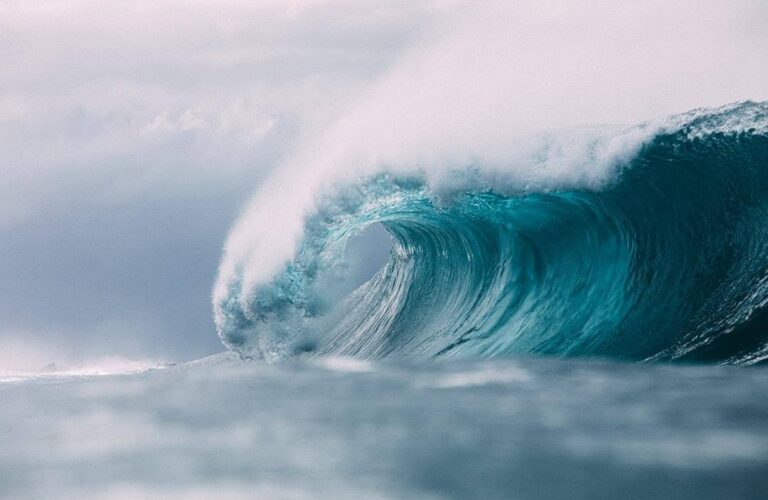
Tucked into a protected marine sanctuary on Maui’s northwest coast, Honolua Bay produces what many traveling surfers consider the single best right-hand point break in all of Hawaii, a wave that combines length, power, and shape in a way few other breaks manage simultaneously.
The bay’s reputation was cemented decades ago through surf films that captured its long, peeling walls, and that reputation has only grown as generations of visiting surfers have made the pilgrimage specifically to experience Honolua on a good day.
Understanding what makes this bay’s wave so consistently excellent, and what it takes to experience it at its best, explains why Honolua remains a bucket-list destination for point-break enthusiasts worldwide.
The Bay Geography Behind a World-Class Point
Honolua’s underwater topography, a series of lava reef fingers extending from the point, organizes incoming swell into a remarkably consistent, shapely wave that breaks in sections, allowing skilled surfers to link multiple sections into genuinely long rides.
- The outer section, called Coconuts, offers the first takeoff opportunity on bigger swells
- The middle section provides the bay’s most consistent, high-quality wave shape
- The inside section, closer to the cave area, can connect on the right combination of swell and tide
- The protected bay setting shelters the wave from wind better than many exposed coastal breaks
This sectioned structure means a good Honolua day can offer some of the longest rides available anywhere in Hawaii, with surfers occasionally linking the entire bay into a single wave lasting well over a minute.
Why the Bay’s Protected Status Matters
A Marine Life Conservation District
Honolua Bay’s designation as a protected marine area has preserved both its underwater ecosystem and, as a direct result, the reef structure that makes the wave work so well, since the area has been shielded from the kind of coastal development that has degraded other historic breaks.
Respecting the Bay’s Ecological Significance
Surfers and visitors are expected to respect the area’s protected status, including restrictions on anchoring and fishing, which has helped Honolua remain one of the more pristine surf environments in Hawaii despite its fame.
The Specific Conditions Honolua Needs
Honolua is highly swell-direction dependent, and a wave that looks completely unremarkable on the wrong swell angle can transform into one of the best breaks in the state when the right northwest swell arrives.
- A clean northwest swell with a longer period tends to produce Honolua’s best, most connected shape
- Light or offshore trade winds keep the wave face clean rather than choppy
- Winter months bring the most consistent swell activity to this stretch of Maui’s coast
- Larger swells can make the outer Coconuts section work, extending the potential ride length further
Given how specific these requirements are, checking a current Honolua Bay surf forecast before making the drive out is essential, since arriving on the wrong swell direction means an entirely different, far less impressive wave.
Getting to and Surfing Honolua Respectfully
Access to Honolua involves a walk down from the cliff-top parking area, and the bay’s popularity among both local and visiting surfers means lineup etiquette and patience matter considerably, particularly on the good days that draw the biggest crowds.
Visiting surfers who take time to watch the wave, understand the takeoff zones, and wait their turn respectfully tend to have a far better experience than those who paddle straight into the busiest peak without reading the local dynamic first.
Comparing Honolua to Other Maui Breaks
Maui offers a genuinely wide range of surf experiences, and Honolua’s specific character as a long, flowing point stands in contrast to the island’s other notable breaks, giving traveling surfers real variety within a single trip.
- Ho’okipa, further along the north shore, is dominated by windsurfing and kitesurfing culture
- Jaws sits at the extreme end of the size and difficulty spectrum, entirely separate from Honolua’s character
- Launiupoko offers a much gentler, beginner-friendly alternative on the island’s west side
- Honolua’s specific combination of length and quality makes it the standout for intermediate to advanced point-break surfers
Understanding where Honolua fits within this broader Maui surf landscape helps visiting surfers plan a trip that captures the island’s genuine range rather than expecting every break to share Honolua’s specific character.
A Wave Worth the Planning
Because Honolua rewards patience so much, both in terms of waiting for the right swell and waiting your turn in the lineup, it tends to leave a deeper impression on visiting surfers than breaks that are simply always on.
This combination of natural beauty, wave quality, and genuine unpredictability is exactly why Honolua Bay continues to earn its reputation as one of Maui’s, and Hawaii’s, most special places to surf.
Few breaks reward this level of patience and attention so directly, which is precisely why surfers who catch it right tend to remember that specific session for years afterward.