Profitable News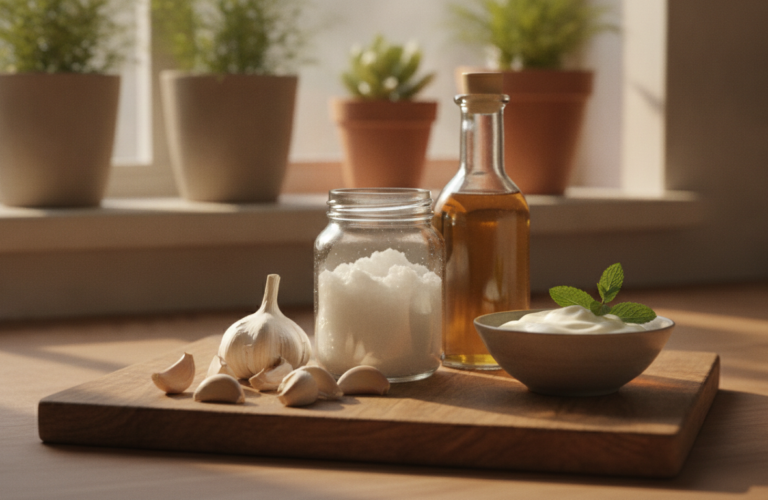
Best Yeast Infection Home Remedies You Can Try Today
It’s hard to talk about personal health without feeling vulnerable. I remember the first time I faced sudden discomfort and the mix of urgency and embarrassment that came with it.
Many people search for ways to soothe a vaginal problem quickly. Some find relief with simple approaches, while others need more care. A 2024 study notes that a few DIY options show promise, but evidence remains limited and caution is wise.
Before trying any plan, understand the nature of the issue and listen to your body. If symptoms persist, relying only on at‑home fixes may not stop the overgrowth. Talk with a healthcare provider to keep yourself safe and to choose the best path forward.
Key Takeaways
- Some simple approaches can ease discomfort, but proof is limited.
- A recent 2024 study urges caution and professional guidance.
- Learn what causes the problem before trying any treatment.
- Persistent cases often need more than DIY care.
- Always consult a healthcare provider for ongoing symptoms.
Understanding Vaginal Yeast Infections
Understanding what triggers vaginal overgrowth helps you spot problems earlier.
What causes overgrowth
A vaginal yeast infection usually starts when candida albicans grows too much and upsets the natural balance of the vagina.
Lactobacillus bacteria keep pH low by producing lactic acid. When those bacteria drop, overgrowth becomes more likely.
About 5–8% of women face recurrent vulvovaginal candidiasis, defined as four or more infections a year.
- Intense itching and visible redness.
- Thick, curd-like discharge that is often odorless.
- Discomfort during daily activities and sex.
These issues differ from bacterial vaginosis, which commonly causes a fishy odor. Understanding the root cause helps women and clinicians choose the right path to restore vaginal health.
Why You Should Approach Yeast Infection Home Remedies With Caution
When discomfort starts, the search for fast relief often leads to unproven tips. Online advice can sound convincing, but many popular remedies lack solid clinical evidence. That means they might irritate sensitive tissue instead of helping symptoms.
Recurrent cases deserve careful attention. Using a quick fix may mask signs while the underlying cause remains. Some repeat infections need a prescription medication or guided treatment to clear fully.
Talk with a trusted healthcare professional before trying persistent approaches. A clinician can confirm the diagnosis and recommend safe, effective options. This step reduces the risk of prolonged discomfort or worsening conditions.
- Unproven tips can harm delicate skin.
- Quick fixes might only hide recurring problems.
- Standard medical treatments often clear things faster and prevent return.
Prioritize your health: seek professional guidance when symptoms persist and ask whether a prescription treatment is needed.
The Role of Probiotics and Yogurt in Vaginal Health
Adding the right probiotics to your routine can help keep vaginal flora balanced. Plain Greek yogurt contains live cultures such as Lactobacillus acidophilus, which may support a healthy vaginal environment.
Research suggests Lactobacillus helps lower pH and makes the vagina less hospitable to overgrowth. A 2012 study of 129 pregnant women found a yogurt-and-honey mix helped treat common symptoms, though methods varied.
Be careful when choosing yogurt. Flavored types often contain added sugar, and sugar can feed Candida albicans and worsen symptoms.
Choosing the Right Yogurt
- Pick plain, unsweetened Greek yogurt with live cultures listed on the label.
- Consider probiotic suppositories in combination with standard treatments; some studies show added benefit.
- Remember that yogurt and probiotics show limited evidence as a standalone cure; consult a clinician before relying on them.
Evaluating Boric Acid for Persistent Infections
When standard treatments fail, many clinicians consider boric acid as a targeted option.
Boric acid acts as a powerful antiseptic used as a vaginal suppository for persistent or resistant vaginal yeast infections. A common regimen is a 600 mg suppository nightly for about two weeks. This approach is often a secondary option when prescription medicines do not work.
Do not swallow boric acid. It is toxic if taken orally or absorbed in large amounts and can harm the kidneys. Keep powder and capsules away from the mouth and children.
- Healthcare providers may suggest boric acid when standard treatments fail.
- Suppositories can be purchased or prepared in capsules, but follow directions carefully.
- Avoid use during pregnancy; it may pose serious risks.
- Clinical evidence supports its use for recurrent cases, but supervision by a clinician is essential.
Always consult your doctor before starting boric acid so you get the right guidance and monitoring. Proper use reduces risk and helps determine whether this treatment fits your specific situation.
Coconut Oil and Its Potential Antifungal Properties
Recent lab work has renewed interest in coconut oil as a topical option for vaginal discomfort.
One 2024 in‑vitro study found that coconut oil may inhibit Candida albicans growth in the lab. That result points to possible antifungal properties, mainly linked to glycerol monolaurate found in the oil.
Use pure, organic coconut oil if you try topical application to soothe external irritation. Pure oil limits added fragrances and chemicals that can worsen symptoms.
“Laboratory findings are promising, but clinical trials are needed to confirm safety and effectiveness.”
Remember that coconut oil is not a proven cure for vaginal yeast or related infections. It may help calm itching for some people, yet it can also change the local environment and cause reactions.
- May slow candida albicans growth in lab studies.
- Choose high‑quality, pure coconut oil for topical use.
- Stop use and see care if symptoms worsen or persist.
Using Apple Cider Vinegar Safely
A cautious approach to apple cider vinegar can help reduce the risk of irritation while exploring its potential benefits.
Some people try an apple cider vinegar soak to soothe external irritation from a minor vaginal yeast episode. There is lab evidence that the organic acids in vinegar show antifungal properties, but clinical proof is limited.
Benefits of Dilution
Always dilute apple cider vinegar in water before it touches sensitive skin. A common bath recipe is half a cup of vinegar in a lukewarm tub, soaked for about 20 minutes.
Dilution helps prevent burning and reduces the chance of worsening irritation. If you feel stinging, stop immediately and rinse with plain water.
Avoiding Douching
Do not douche with apple cider vinegar. Douching can wash away protective bacteria and upset the vagina’s natural pH.
- Many try a vinegar bath to ease symptoms, but it is not a proven cure for yeast infections.
- Keep water lukewarm and limit soaks to about 20 minutes.
- Stop use if discomfort or new symptoms appear and seek medical advice for persistent issues.
“While organic acids in apple cider vinegar show activity in the lab, strong clinical evidence for safe, effective use is lacking.”
Garlic and Its Limitations as a Natural Treatment
Garlic often appears on lists as a natural option for clearing vaginal overgrowth.
Garlic has long been praised for its antifungal properties. A 2020 study noted that garlic extract can inhibit Candida albicans in lab tests. That lab evidence explains why women consider garlic for a mild yeast issue.
However, evidence from clinical trials is limited. Some trials compared garlic-based creams with clotrimazole and found mixed results. These studies do not prove garlic can replace standard prescription treatment for persistent cases.
Important safety note: never insert raw garlic into the vagina. Doing so can cause severe burns, intense pain, and more irritation rather than relief.
Safer options include adding more garlic to your diet or discussing a garlic cream with your clinician as a complement—not a substitute—for proven care.
“Lab results are promising, but clinical proof and safety data are limited.”
- Garlic shows lab activity against Candida albicans.
- Do not use raw garlic vaginally; it can harm sensitive tissue.
- Talk with a healthcare professional before trying garlic as a treatment.
Essential Oils and Their Risks
What feels natural can still be harsh: concentrated plant oils may burn delicate mucosa.
Some people try essential oils for a mild vaginal yeast issue. A 2016 study found tea tree oil worked when used as suppositories alongside probiotics, but that was a small trial.
Essential oils like tea tree and oregano are highly concentrated. Always dilute them in a carrier such as coconut oil before any topical use. Never insert undiluted oil into the vagina; it can cause intense stinging, burning, and lasting irritation.
- These oils show some antifungal properties in lab work, but large human trials are lacking.
- Use a patch test and stop at the first sign of redness or pain.
- Consider proven treatments for severe or recurring symptoms; for faster options see quick treatment options.
“Essential oils can help some people, but they also carry real risk if used improperly.”
Why Hydrogen Peroxide Is Not Recommended
Using household antiseptics like hydrogen peroxide inside the vagina can do more harm than good.
There is no credible research showing that hydrogen peroxide safely treats a vaginal yeast or related infection. While it acts as an antiseptic on skin, its internal use can irritate mucous membranes and disturb the normal balance of beneficial bacteria.
Lactobacillus species naturally produce small amounts of hydrogen peroxide as part of their protective activity. Adding concentrated peroxide can kill these friendly bacteria and allow candida albicans to overgrow.
“Douching with hydrogen peroxide may worsen symptoms by removing protective flora.”
- Antiseptic properties do not equal safe internal treatment.
- Never douche with hydrogen peroxide; it can harm protective bacteria.
- There is no strong evidence to support household peroxide for treating vaginal issues.
- Choose proven medical treatment and check with a clinician if unsure.
| Substance | Evidence for Use | Risk to Vaginal Flora |
| Hydrogen peroxide | No credible clinical support | High — can kill Lactobacillus |
| Proven antifungal therapy | Supported by clinical trials | Low when used as directed |
| Probiotics (adjunct) | Some supportive studies | Low — helps restore bacteria |
When to Seek Professional Medical Care
When signs grow worse or do not ease, professional evaluation is the safest next step. A clinician can sort out causes and suggest the right plan for your needs.
Signs of severe illness
Signs of Severe Infection
Seek immediate care if you have severe pain, fever, or unusual bleeding. These may signal a more serious infection that needs prompt attention.
If symptoms spread, worsen, or include fever, do not delay. Pregnant women and people with weakened immune systems should contact a provider right away.
When to See a Doctor
A pelvic exam is often necessary to tell a vaginal yeast infection from bacterial vaginosis or other conditions. For a first episode, or if symptoms don’t improve after a few days of care, see healthcare support.
Prescription options like fluconazole can treat severe or recurrent cases. A clinician may also explore underlying causes such as high blood sugar and adjust treatment length.
“Do not rely on unverified approaches like garlic or boric acid if you are unsure of the diagnosis; professional testing protects your long-term health.”
- See a doctor if pregnant, immunocompromised, or this is your first episode.
- Persistent or recurrent cases often need prescription treatments and further evaluation.
- A proper diagnosis prevents misdiagnosis and ensures safe care for women’s health.
Lifestyle Adjustments to Support Vaginal Health
A few practical lifestyle shifts help protect the natural microbiome and lower flare-ups.
Dress for airflow. Wear breathable cotton underwear and avoid very tight pants. Staying damp in tight workout gear or a wet swimsuit lets excess moisture build and can encourage yeast overgrowth.
Watch your diet. Dr. Sarah Bonza notes that high-sugar diets can feed unwanted growth. Cutting back on sugar and refined carbs supports overall immune health and lowers the chance of repeat episodes.
Avoid scented soaps, sprays, and douching. These products disturb protective bacteria and raise the risk of bacterial vaginosis and other infections.
“Consistent habits, like breathable clothing, balanced eating, and gentle hygiene, are the best long-term strategy for vaginal health.”
- Change out of wet swimwear promptly to reduce moisture.
- Favor plain, fragrance-free cleansers for external use only.
- Support your immune system with sleep, balanced nutrition, and regular activity.
Conclusion
If discomfort returns often, leaning on medical guidance gives the best chance to stop it for good. For a vaginal yeast infection, focus first on accurate diagnosis and safe treatment. Track your symptoms and seek care when things persist.
Always talk with a healthcare provider before trying options such as boric acid or garlic. A doctor can recommend a prescription when needed and steer you away from choices that may cause harm.
Simple measures like plain yogurt or coconut oil may soothe mild irritation for some women, but they are not a substitute for proven medical treatments. Prioritize your health and work with a clinician to reduce repeat infections and protect long‑term wellbeing.